
The challenge
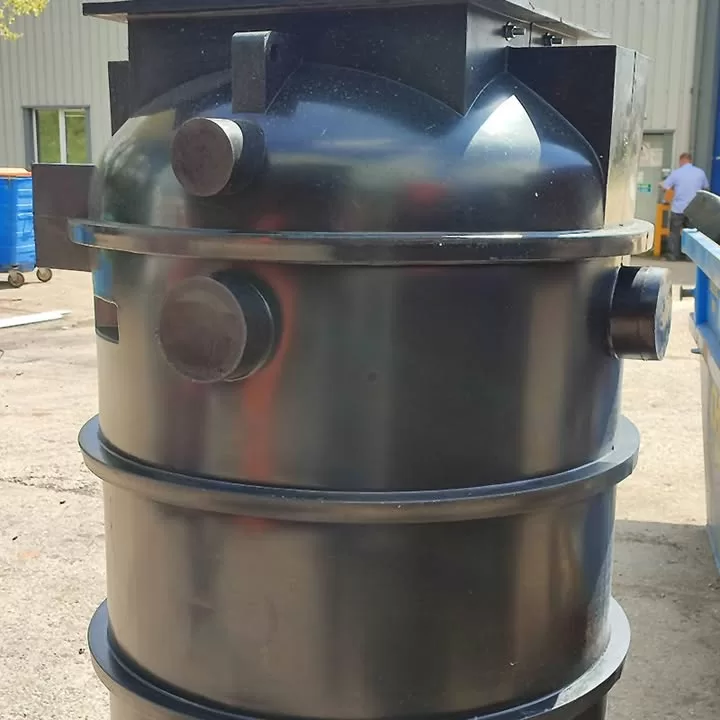
A domestic client required a reliable method to move wastewater from their residential property where gravity drainage was not possible. The solution involved installing a pre-packaged pump chamber, which needed to be prepared before it could be placed in the ground.
What we found
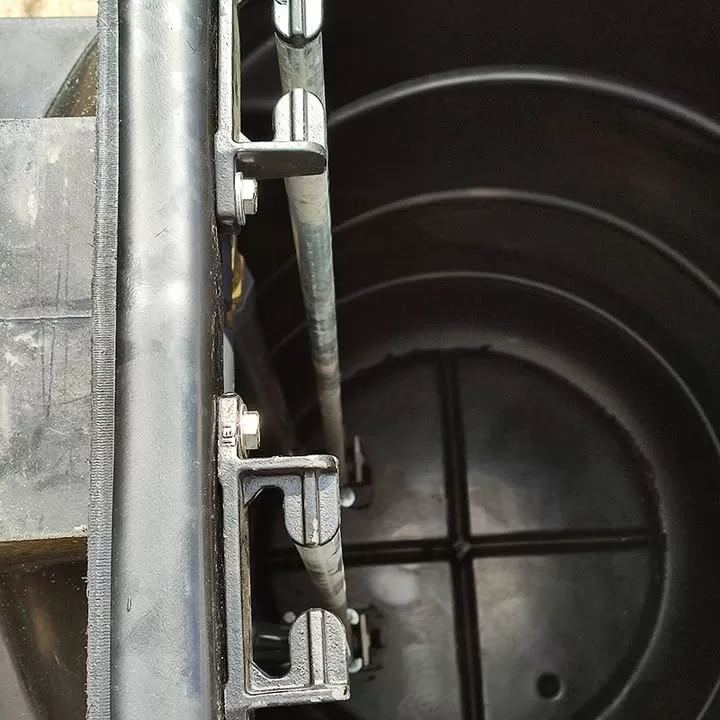
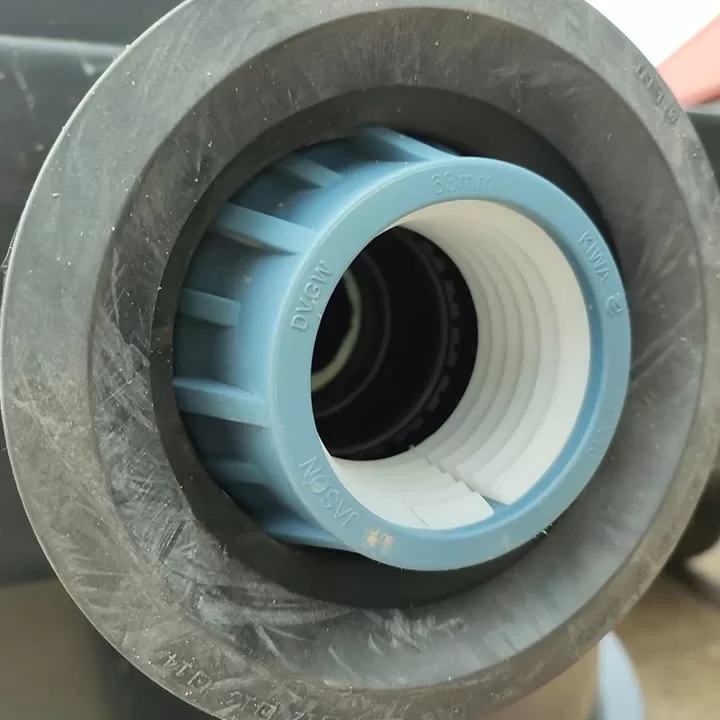
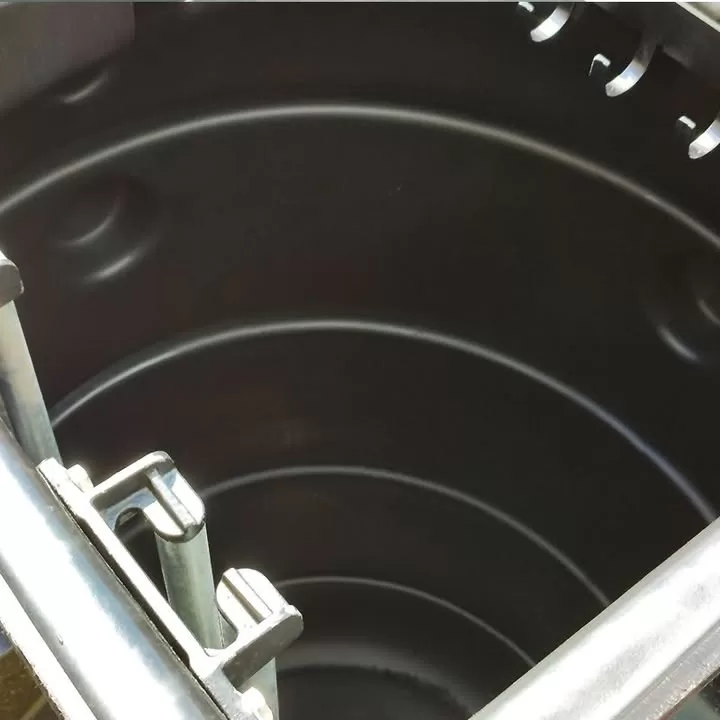
The project required the assembly of a pre-fabricated unit. The images show the internal components of the chamber, including the guide rails for the submersible pumps and the connection points for the pipework. The blue connector visible in the photos is a KIWA branded fitting, which provides a secure seal between the chamber wall and the discharge pipe.
What we did
Our engineers built the internal pipework within the pre-packaged pump chamber. This work includes fitting the guide rails that allow the pumps to be easily removed for maintenance, as well as connecting the discharge pipes using appropriate fittings. The assembly ensures that the mechanical components are correctly positioned before the unit is installed at the property. Commissioning will take place once the chamber has been installed in the ground.
Why it matters
A pump station, also known as a package pumping station or lift station, is essential when a property cannot connect to the mains sewer by gravity. These systems collect wastewater in a chamber and use submersible pumps to push it uphill to a higher-level drain or treatment plant. The internal pipework must be built correctly to ensure the pumps operate efficiently and that the system can handle the volume of waste without blockages or leaks.
About pump stations
Package pump stations are typically constructed from durable materials such as polyethylene or GRP to withstand underground pressures and corrosive environments. Inside the chamber, submersible pumps are mounted on guide rails, which allow them to be lifted out for repair without entering the tank. A control panel monitors the water levels using floats or pressure sensors, switching the pumps on when the level rises and off when it drops. High-level alarms are also installed to warn of any faults before an overflow occurs.
This case study is written from the completed job record. Photographs are from the job. Customer names and addresses are not published.