The problem
A local pub experienced a failure with its pump system. The equipment had been subjected to excessive grease entering the drainage network from kitchen sinks, leading to a severe blockage.
What we found
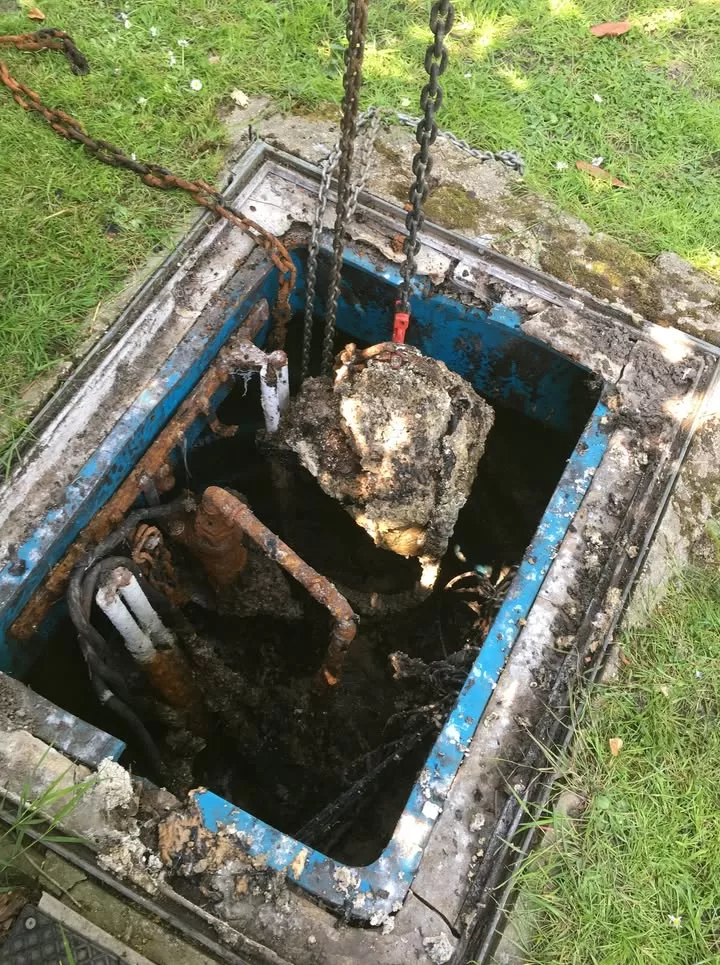
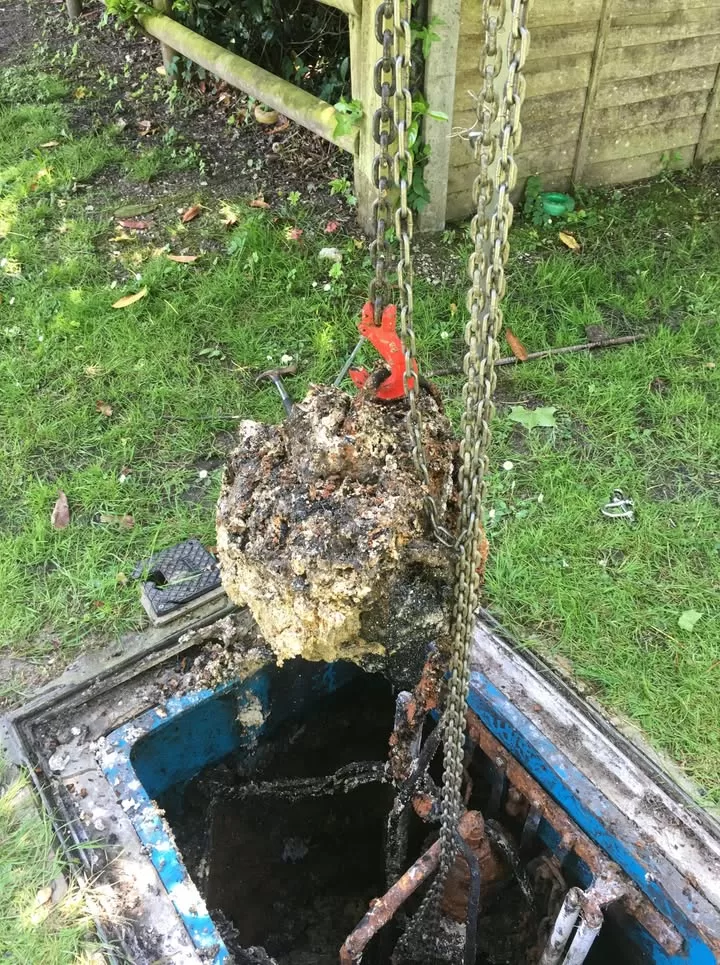
Our engineers attended the site and inspected the pump chamber. The submersible pump was completely encased in a solid mass of accumulated grease. This heavy build-up had immobilised the unit, preventing it from operating correctly.
What we did
The solidified grease blockage was so extensive that the pump could not be cleaned or repaired. It was deemed beyond repair and had to be removed entirely. The team extracted the damaged unit from the chamber and installed a new replacement pump to restore the system.
The result
The installation of the new pump resolved the blockage issue. The pub's drainage system was returned to full working order, ensuring that wastewater could be pumped away effectively once again.
Why grease matters
Fats, oils and grease (FOG) are a common cause of pump failure in commercial premises. When poured down sinks, these substances cool and solidify as they travel through the pipework. Over time, this material accumulates on the internal surfaces of the chamber and wraps around the pump body.
- Grease traps can help prevent some build-up by capturing fats before they enter the main drainage lines.
Prevention and maintenance
The most effective way to protect pumps is to avoid pouring grease down the sink. Regular servicing of commercial pump stations allows engineers to identify early signs of grease accumulation or other blockages before they cause a failure.
This case study is written from the completed job record. Photographs are from the job. Customer names and addresses are not published.